Great game for teaching good morals to teens, but doesn't have much to offer to old JRPG veterans.
I finally got around to playing this series, revered for its grand storytelling and turn-based combat and ended up disappointed.
All except the last few hours of this 70-hour JRPG retreads just about everything that great JRPGs have done in the past. Which is teaching you thoughGreat game for teaching good morals to teens, but doesn't have much to offer to old JRPG veterans.
I finally got around to playing this series, revered for its grand storytelling and turn-based combat and ended up disappointed.
All except the last few hours of this 70-hour JRPG retreads just about everything that great JRPGs have done in the past. Which is teaching you though example, the dangers of discrimination, nationalism, corporate greed, turning a blind-eye to tragedies, and backing your family or group even though they're wrong. The game is very up front about pointing out what's bad, with frequent long conversations between the main characters that show you how they decided these things were bad. And to the game's credit, it gets them all right, unlike Persona 5, which teaches that discrimination of adults is okay because an adult or two hurt some children in the past.
Much of the game reminded me of the original Scooby-Doo cartoons. Meddling kids are always exposing bad people's crimes in the face of inaction or corruption by law-enforcement organizations. And you'll get this a lot, with the bad guys even pointing out that they would have gotten away with it, if it weren't for you meddling kids. The problem with this is that the game is centered around the idea that your protagonists, just going about their school assignments, are more capable than adults whose jobs it is to solve these things. This is great if you want to empower teens, but it's not very believable to an adult.
The story is also full of an unbelievable number of conveniences. Your class goes on several trips to learn about the world, and something amazing/unexpected happens each and every time, at the exact time you're visiting, just so that you can solve the problem and save the day. For example, when a military complex is attacked, your teen protagonists, who were previously proven to be much weaker than adults, end up repelling the attack. All of the soldiers in the complex just mysteriously disappeared at that time.
The political representation in the game is frequently praised. But I found it to be basic and full of conveniences. I give the writers credit for creating a functioning political landscape, but when tragedies occur, their systems mysteriously break down, paving the way for your teen protagonists to save the country. Also, there's a big emphasis on a particular terrorist group that continues to attack various sites (that you just happen to be visiting) Their goals and motives make little sense, even after the protagonists explain them to you, and make even less sense once you get to the end of the game. After learning their true goals and capabilities, the astute players will wonder why they partook in some of their earlier missions.
I can't explain the end-game twists to avoid spoilers, but just say that they turned this decent JRPG story and world to being borderline nonsensical. It's not nearly as bad as what happened in Persona 5, and will be acceptable to the game's teen target audience, but intelligent adults should beware of the incoming poorly-done anime tropes.
There's much more to say about the story as there's a lot going on in the game, but I'll move on to the gameplay.
The turn-based battle system is average at best. Great turn-based battle systems have one thing in common: using the tools and training given, you can create strategies to beat the challenging enemies and bosses (or those who aren't good at strategy can just level grind). This game, on Normal mode, was just too easy. After I got used to the battle system, I frequently skipped enemies (to reduce my level) and skipped upgrading weapons and armor since that was the only way to get any sort of challenge. Harder difficulties might have been better, but the game doesn't let you change difficulties mid-game.
Also, I must point out that while position-based combat systems are normally great, this one was annoying. Changing your position takes a turn and performing an action (such as attacking or casting certain spells) automatically moves your position to where the game thinks you want to go. So it's annoying to get your characters in the position you want them to be. If I perform a normal attack, and I have movement points to spare, why must it move me in a straight light right at the enemy? Why can't I run to the side? I got used to it, but was disappointed that the typical Idea Factory RPG has more strategic combat.
So with the game being overly preachy with its morals (although they are good morals), leaving nothing up for intellectual interpretation, having way too many story conveniences, having a disappointing combat system, and a downright silly twist ending, there wasn't much for me to like. It's not bad - I've just done all of this before. Though the typical teen should love it and there's a lot of good stuff for them to learn here.… Expand

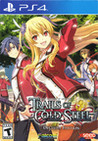 The Legend of Heroes: Trails of Cold SteelYour Score0 out of 10User Score
