I loved it, but this is the definition of "not for everyone"
Created by Nicolas Winding Refn and Ed Brubaker, and directed by Refn, Too Old To Die Young is Refn sans restrictions. If you thought Only God Forgives was slow and plodding, all style and no substance, and pretentiously self-indulgent, then TOTDY is not for you. Running for 13 hours across the course of 10 episodes, RefnI loved it, but this is the definition of "not for everyone"
Created by Nicolas Winding Refn and Ed Brubaker, and directed by Refn, Too Old To Die Young is Refn sans restrictions. If you thought Only God Forgives was slow and plodding, all style and no substance, and pretentiously self-indulgent, then TOTDY is not for you. Running for 13 hours across the course of 10 episodes, Refn regards it as "a 13-hour movie" and insists that it is not a television show. Either way, I loved it. The aesthetic is exceptional, the quirks are pure surrealism, the humour is spot on, the violence (particularly the sexual violence) is sudden and barbaric, but never gratuitous or pointless, and the themes are fascinating. This isn't going to turn a single person into a Refn fan. Indeed, it will probably alienate some of his more casual fans, as it tests the limits of what even the most artistically open-minded viewer will watch on their television screens. That said, if you're on-board, you're in for an unforgettable ride.
Martin Jones (Miles Teller) and his partner Larry (Lance Gross) are two uniformed LA cops on patrol. After sexually harassing and extorting a young woman because he can, Larry is taking a selfie for his mistress, when Jesus Rojas (an exceptional Augusto Aguilera) shoots him in the back of the head. And from that opening scene springs the story, which introduces us to local crime boss Damian (Babs Olusanmokun), Martin's 18-year-old girlfriend Janey (Nell Tiger Free), her billionaire father Theo (a completely insane William Baldwin), former FBI agent Viggo Larsen (John Hawkes), his associate Diana (Jena Malone), and Yaritza (a stunning, scene-stealing Cristina Rodlo), a young woman with a penchant for sexual domination who claims to be the High Priestess of Death.
The most obvious aesthetic elements of the show are the cinematography by Darius Khondji and Diego García and the editing by Matthew Newman. The first episode, and several of the later episodes, are bathed in neon, with vibrant reds, purples, oranges, blues, and greens saturating the screen. The second episode then is set in Mexico and is a complete contrast to the first, almost over-exposed, with whites popping and bleeding into any nearby blacks.
Additionally, every shot feels deliberate, meticulously composed, important, like every element of the composition is saying something of significance; for example, whether the camera moves or not offers a commentary on the content of the scene. And scenes go on for a loooooong time; most run at least two beats beyond where the natural end would seem to be, with long silences and languidly-paced, emotionlessly delivered dialogue. This all creates a sense of extreme awkwardness that makes the viewer restless and uncomfortable, which, of course, is precisely the point. This lethargic sense is helped immensely by the editing, which is almost imperceptible. It feels like the show was edited before it was shot; every cut feels measured, happening where it does because that's the only place it could happen. I'd be shocked to learn that a lot of coverage was shot to be assembled in the editing room later; it's too tight for that. Coupled with this, the sound design by Paul Hackner is unique. For interiors, there is often no ambient room noise and because there are such long pauses in the dialogue, the silence is oppressive. It has the effect of suggesting the characters aren't in the room, making it feel almost ethereal and hypnotic.
And what is all of this in service of? What is Refn saying? The main theme is very straightforward – toxic masculinity and the commodification of the female, in particular the sexual commodification. TOTDY is a show wherein many of the female characters are looked upon by men as objects to be used rather than as people with their own agency. In one particular scene, a porn director washes down a young woman with a hose, the way one might wash down a horse after a race. When the show begins, it seems to commit the same sin, as none of the females have much in the way of vibrancy, and all are defined based upon their relationships with men. It's only as the characters of Diana, Janey, and Yaritza assume centre stage that we realise this isn't a show about men. Paedophiles, racists, misogynists, murderers, people traffickers, a father who unashamedly hints at incest – it's quite a collective of male bottom feeders to pitch against the female characters.
All in all, I loved the show. But there's no denying that the very things which some people embrace and celebrate, will drive others up the wall. And certainly, it's not hard to imagine a hell of a lot of people watching for 20 minutes before hastily changing the channel and deeming the whole enterprise the "worst show ever." Amazon has allowed Refn to indulge in everything that his detractors criticise and his fans laud, and the result is either a travesty or masterpiece, depending on your perspective.… Expand


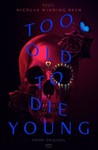 Too Old to Die YoungYour Score0 out of 10User Score
