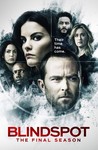
I regret the time I sacrificed to go through this season of the show. The mixed feelings I had about it by the time the first season ended were quickly firmly shifted to the negative even before I made it halfway through the second season. The beginning of the first season had great promises to make this series unique from the plethora of police procedural dramas that anyone with a saneI regret the time I sacrificed to go through this season of the show. The mixed feelings I had about it by the time the first season ended were quickly firmly shifted to the negative even before I made it halfway through the second season. The beginning of the first season had great promises to make this series unique from the plethora of police procedural dramas that anyone with a sane mind that's been watching them is by now bored to death by them. Indeed, the cryptic tattoos theme was, at least to me, unprecedented. Sadly, by the time that first season was ending, the show had but derailed into the usual procedural police drama format.
If anyone had any doubts as to the procedural police drama nature of the series by the time the first season was ending, the second season does well to dispel the doubts. Each episode takes basically the same predictable format: solve one cryptic tattoo through some unrealistic epiphanies and technological discovery leaps; successfully stop the crime referred to by the tattoo without any main character getting killed. This is repeated throughout the episodes ad nauseaum such that by the time you get to the tenth episode, you're so turned off by the fact that you know how the next episode is basically gonna end. The development of the overarching story behind the tattoos fares no better. It's slow, rather predictable, and the resolution of the mystery in the end is quite unsurprising. Connected to this is an observation I've made concerning racial and nationalistic representations in the series: The series is painfully white, American and unreasonably pro-establishment. Concerning its whiteness, while the show features a multiracial cast, its representation of non-white races is awfully wanting and seems to reflect little but tokenism. For instance, Marianne Jean-Baptiste's black female character, Bethany Mayfair, is killed off in the first season and replaced as FBI assistant director by a white male character, Kurt Weller, who manages to accomplish what she apparently failed to accomplish: figure out the mystery behind the cryptic tattoos and stop Sandstorm. Moreover, the leader of the (so-labelled) terrorist organization Sandstorm is made to be a black female (Ellen Sheppard), thus making the show essentially a battle between a black female and a white male. The white male, of course, wins in the end. In addition, Jane Doe and her brother Roman are repeatedly and ultimately made out to have been victims, rather than accomplices, of Sheppard. And, need I talk about Ukweli Roach's character, Robert Borden (a.k.a. Nigel Thornton)? Before being discovered by Patterson as a Sandstorm spy, Nigel is portrayed as a complex, empathic, and very smart individual but this quickly changes after the discovery. After it, he's made to appear cold, inhuman, and relatively unintelligent. Even worse, the sadness and importance of his backstory (i.e. the murder of his wife by American forces) is later entirely pushed aside and replaced with Patterson's emotional trauma following her discovery of him. The portrayals of Zapata, Reade, and Nas seem mostly tokenised and similarly problematic. Concerning the pro-American nature of the series, I believe this needs no elaboration. Sure, the show is made mostly for an American audience but still the American nationalism in the show, hidden beneath Americans' long-known anxiety about "terrorism" and the imagined threats posed "other" foreigners, is just too unbearable to watch. Accompanying this is an overly pro-establishment theme underlying the primary plot of the series. Notice that Jane, as Remi, together with other Sandstorm members, rightly noticed the problems with the established system, and (as initially put) sought to solve them through a plan featuring the tattoos. However, this plan of Remi's and her Sandstorm cohorts is increasingly drawn out to be criminal and decidedly labelled as terrorist by the writers who are not hesitant to portray the system as the ultimate and unfailing saviour of the masses. Ironically, the problems with the system alluded to by the tattoo are made to be solved, all of them, by that very broken system and Sandstorm is, again ironically, made to be the single greatest barrier to their solutions and to represent a threat much greater than them. Even Sandstorm is made out to have faith in the system's effectiveness. In short, I think that the writers, in their quest to be pro-establishment, went overboard and ended up with an essentially self-contradictory plot. Indeed, all through the second season this question is potent but remains unanswered: Where is Jane's previous anger against the system?
For all these problems and others unmentioned, I'd not recommend the series for anyone keen on entertainment and some intellectual stimulation to go with it.… Expand