Every Wes Anderson Movie Ranked Worst to Best

Comic Sans, naturalistic acting, and Dutch angles? Sorry: You've come to the wrong gallery. Few directors have as precise and instantly identifiable a visual and storytelling style as Wes Anderson, the Texas-born director who emerged from the 1990s indie scene to eventual stardom and the ability to attract seemingly every living A-list actor—even as he never left the arthouse behind. A pair of 2023 releases (including The Wonderful Story of Henry Sugar, already filmed and due for a Netflix release late this year) will bring Anderson's film count to a full dozen, and those features have collected plenty of excellent reviews (and 15 Oscar nominations) along the way.
But which Wes Anderson films are truly exceptional, and which are "merely" good? In the gallery on this page we rank every one of the director's films to date from worst to best. The films are ranked by their Metascores, which encapsulate the opinions of top professional film critics at the time of each film's release.
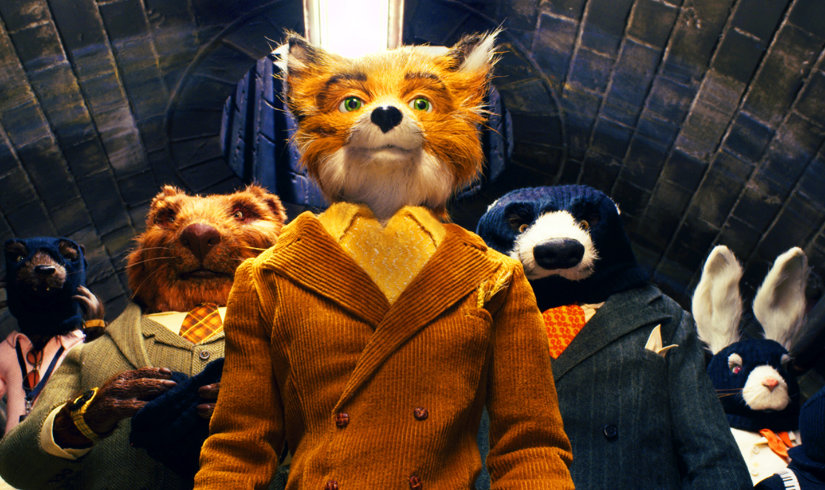
While one could argue that many Wes Anderson films are basically cartoons, this 2009 adaptation of the beloved Roald Dahl children's book of the same name was the director's first official animated feature. Unsurprisingly, Anderson's exacting visual style translates well to stop-motion animation, while his ability to mix whimsy with a hint of darkness make him an excellent match for Dahl's story of an overly adventurous fox and an animal community forced to defend themselves from a group of farmers. George Clooney and Meryl Streep are just some of the big names in a voice cast that also includes Anderson repertory players Jason Schwartzman, Owen Wilson, and Bill Murray. Fox went on to score a Best Animated Feature nomination at the 2010 Academy Awards.
Anderson would again tackle the works of Roald Dahl with 2023's The Wonderful Story of Henry Sugar.
“The result is an instant classic. The material allows Anderson to neutralize the most irritating aspects of his work (the precociousness, the sense of white-bread privilege) and maximize the most endearing (the comic timing, the dollhouse ordering of invented worlds).” —J.R. Jones, Chicago Reader
| Stream On |

|
| Stream On |

|
| Buy on |

|
| Stream On |

|
| Stream On |

|
| Stream On |

|
| Stream On |

|