Every James Bond Movie, Ranked Worst to Best
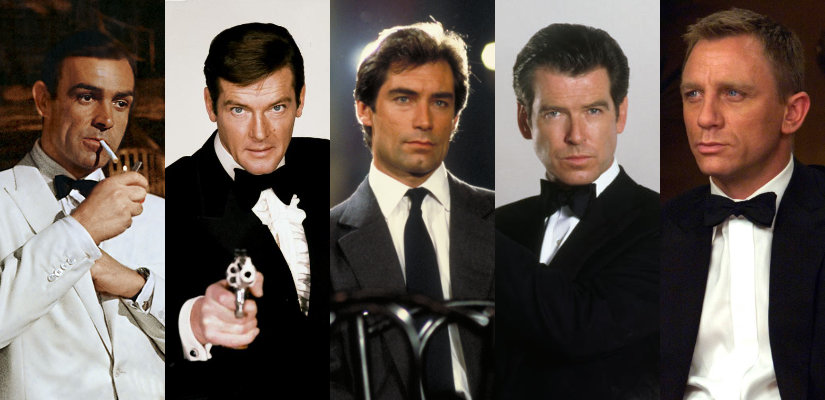
With this month's arrival (finally!) of No Time to Die, there have now been 25 official films in the EON-produced James Bond film franchise based on author Ian Fleming's British spy character. In the gallery on this page, we rank every one of those films—plus two additional Bond features from outside producers—from worst to best based on their Metascores, which represent the consensus of a group of top professional film critics.
Right now, it's fairly easy to find most of the Bond films on streaming services (and if it's not on the streaming service you have, it likely will be shortly, as the films are deleted from and re-added to various services every few months). That could change in the future thanks to a recent deal by Amazon to acquire MGM, which currently holds the home video rights to most of the Bond catalog, though there are no definitive plans to make Prime Video the exclusive home of 007 ... yet.
All photos courtesy Metro-Goldwyn-Mayer Studios except Casino Royale (1967) by Columbia Pictures and Never Say Never Again by Warner Bros.
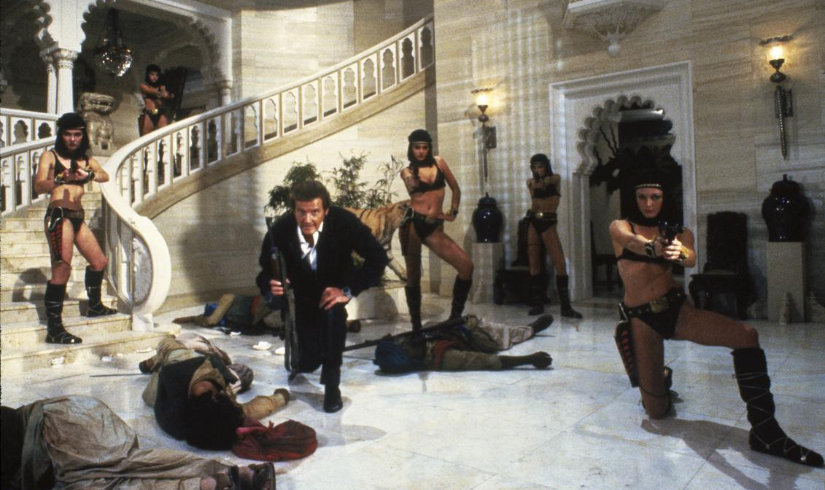
The year: 1983
The 007: Roger Moore
The (non-UK) location(s): West Berlin, East Berlin, Moscow, India
The theme song: "All Time High" performed by Rita Coolidge
Roger Moore's penultimate Bond film (released just months before Never Say Never Again, a competing Sean Connery-starring Bond film, in the only head-to-head matchup in the history of the franchise) features what might be the most memorable title in the series. (It's taken from the title of a Fleming short story, though the film borrows elements both from that story and another, "The Property of a Lady.") In fact, it's also the name of the main "Bond girl" in the film: a jewel smuggler played by Maud Adams, who had portrayed a different Bond girl (Andrea Anders) in The Man With the Golden Gun. Despite that silly title, it's one of Moore's better Bond outings—though Never Say Never Again is better.
“Octopussy ... isn't as exhilarating as The Spy Who Loved Me. But it's the most enjoyable since then, in large part because it's not trying to be the ultimate anything.” —David Ansen, Newsweek
| Stream On |

|
| Buy on |

|
| Stream On |

|
| Stream On |

|
| Stream On |

|
| Stream On |

|
| Stream On |

|