Every James Bond Movie, Ranked Worst to Best
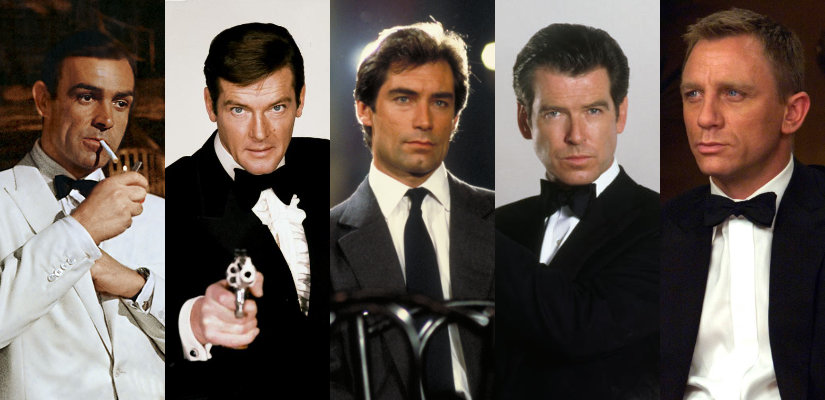
With this month's arrival (finally!) of No Time to Die, there have now been 25 official films in the EON-produced James Bond film franchise based on author Ian Fleming's British spy character. In the gallery on this page, we rank every one of those films—plus two additional Bond features from outside producers—from worst to best based on their Metascores, which represent the consensus of a group of top professional film critics.
Right now, it's fairly easy to find most of the Bond films on streaming services (and if it's not on the streaming service you have, it likely will be shortly, as the films are deleted from and re-added to various services every few months). That could change in the future thanks to a recent deal by Amazon to acquire MGM, which currently holds the home video rights to most of the Bond catalog, though there are no definitive plans to make Prime Video the exclusive home of 007 ... yet.
All photos courtesy Metro-Goldwyn-Mayer Studios except Casino Royale (1967) by Columbia Pictures and Never Say Never Again by Warner Bros.
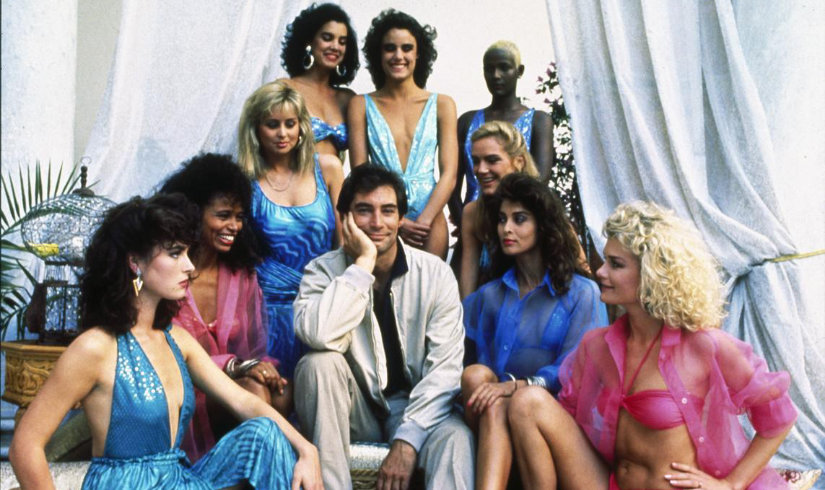
The year: 1987
The 007: Timothy Dalton
The (non-UK) location(s): Gibraltar, Vienna, Czechoslovakia, Afghanistan, Tangier
The theme song: "The Living Daylights" performed by a-ha
Taking over the role of James Bond from Roger Moore, British stage actor Timothy Dalton would appear in just two 007 films, including this, his debut, in 1987. Based loosely on a 1962 Fleming short story, The Living Daylights was originally conceived as a full series reboot, though producers opted against the idea (which would be revived later for Casino Royale). Instead, it's just another standard Bond adventure, with Dalton bringing a much more serious approach to the role than his predecessor but many critics finding the resulting film relatively lifeless.
The villains here are played by John Rhys-Davies and Joe Don Baker; the latter, interestingly, would return for two additional Bond films but as a different character. Daylights is also notable for being the final film in the series for longtime composer John Barry, who had been with the franchise since Dr. No (and who makes a cameo appearance at the end of this film).
“Dalton has training in classical theater; he has pedigree, looks, class. But as Bond he is – face it – dull as dirt. Too much spoofing is bad (see Moore), none is deadly (see Dalton).” —Peter Travers, Rolling Stone
| Stream On |

|
| Buy on |

|
| Stream On |

|
| Stream On |

|
| Stream On |

|
| Stream On |

|
| Stream On |

|