Every Cannes Palme d'Or Winner Since 1990, Ranked
Updated May 27, 2023 with the 2023 Palme d'Or winner, Anatomy of a Fall.
A best picture Oscar may be film's peak honor, but a Cannes Palme d'Or win isn't far behind. Though it didn't adopt its current name (which translates to "Golden Palm" in English) on a permanent basis until 1975, the top award at the globe's most prestigious film festival has been handed out in nearly every year since 1946, with occasional interruptions (most recently in 2020, when the festival was canceled during the COVID pandemic).
Is the latest Palme d'Or winner a favorite with critics as well? Not every Palme d'Or recipient is, as Cannes juries (typically composed of actors and directors, and different every year) don't always have the same tastes as reviewers. In the gallery on this page, we rank all of the Cannes winners since 1990. They are arranged from worst to best by Metascore, which reflects the consensus of professional critics for each film.
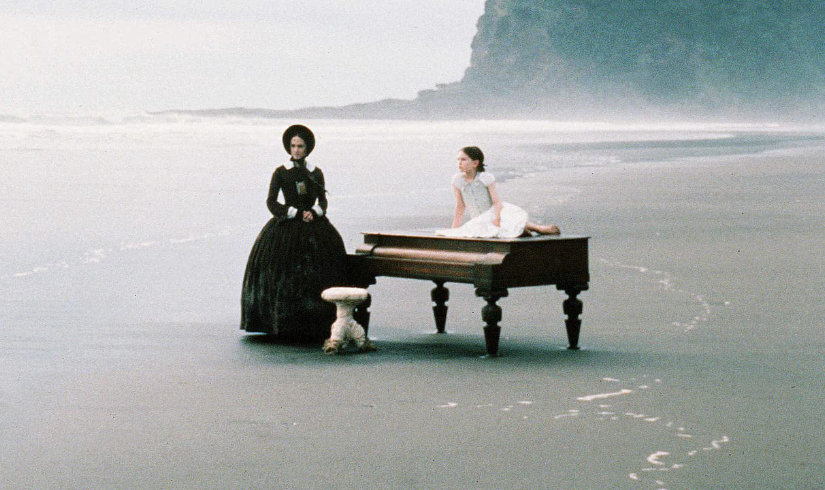
1993 co-winner (tied with Farewell My Concubine)
As we write this*, It is now the year 2021, in the middle of the 74th Cannes Film Festival, and somehow only one woman has ever won the Palme d'Or. That happened for the first and only time in 1993 when New Zealand native Jane Campion took home the trophy (in a tie, no less) for her stellar 19th century drama about a mute Scottish woman (Holly Hunter), her arranged marriage to a New Zealand frontiersman (Sam Neill), her young daughter (Anna Paquin, in her first role), and the man who helps save her beloved piano (Harvey Keitel). The arthouse film later became an unlikely box office hit (grossing a shocking $140 million) and was one of the most heralded films of 1993, eventually receiving eight Oscar nominations and winning three of them (for Hunter, Paquin, and Campion's screenplay).
* Updated July 17, 2021: There's now a second female Palme d'Or winner, after the 2021 award was given to Julia Ducournau and Titane.
“Prepare yourself for something very special...Here's a severely beautiful, mysterious movie that, as if by magic, liberates the romantic imagination.” —Vincent Canby, The New York Times
| Buy on |

|