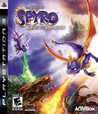
A relatively beautiful underrated gem with a few scuffs and knicks due to the years of neglect.
The Legend of Spyro: Dawn of the Dragon, is the third and final installment of the reboot series that started back in 2006 with the aim to deliver a more lore heavy, Tolkien-esque fantasy. We see the climax of this tale begin years after the events of "The Eternal Night", when Spyro (playedA relatively beautiful underrated gem with a few scuffs and knicks due to the years of neglect.
The Legend of Spyro: Dawn of the Dragon, is the third and final installment of the reboot series that started back in 2006 with the aim to deliver a more lore heavy, Tolkien-esque fantasy. We see the climax of this tale begin years after the events of "The Eternal Night", when Spyro (played by Elijah Wood), utilized the remainder of his borrowed time stopping powers to encase himself and his friends in a stasis crystal in a desperate bid to save them from the crumbling structure around them. Rudely forced awake by the minions of Malefor, an evil Dragon freshly resurrected and now on the path of total global annihilation, Spyro and Cynder become chained together by a magical tether and were doomed to serve as unwilling servants until the end. That was until Hunter, a Cheetah from the Valley of Avalar, swoops in to release them from their bonds and help get them reacquainted with their dragon powers. And thus there journey to stop Malefor's omnicidal plan commences as lessons of trust, forgiveness, and heartache are learned while they fight back the end of the world.
Gameplay for Dawn of the Dragon springboards off of the first two titles, playing as a beat-em-up, but takes much more advantage of the core gameplay while exemplifying the joys of playing as a dragon (or in this case, two dragons) with a variety of breath weapons and relative free flight (limited by jetstreams and wind ceilings to keep players from going way too far off course). Unlike the first two games, the combat in Dawn of the Dragon takes examples from games like God of War and allows itself to have more depth in attack and defense, Light, heavy, grapple, block, and dodge-roll are all standards finely met by this game, but combined with eight different elements (four for each of the two dragons), which has a primary and secondary fire AND that combat CAN be performed while flying allows for much more experimentation and creativity than the standard God of War clone.
Further, as mentioned before, the game follows the journey of TWO dragons; Spyro and Cynder. In most action titles, you would have to play each character one at a time or they would be relegated to certain stages/missions/levels. Dawn of the Dragon opts for a different approach and allows players to swap between the two on the fly, or have a friend join to play both simultaneously. Regardless of whether there's one player or two, both Dragons will be present, using tooth, claw, wing, tail, and deadly elements to smack around the various hoards under Malefor's control and solve a variety of platform, environmental, or tether puzzles that are present in each chapter.
The story is, while not always the best acted in regards to the secondary characters, decent enough and has a fair few emotional high points that were being built up since the beginning of the reboot trilogy. The music accompanying you, Spyro, and Cynder, is equal parts elegant as it is intensely orchestral. Sound effects are a bit hit or miss (mostly prominent with combat impact sounds), but never enough to deter immersion or the mood of the game very much. The atmosphere the game exudes tends to feel like it was some sort of storybook adventure, hearkening back to the style and tone of the original Insomniac trilogy, almost as if the developers were paying loving respect to the source material.
The main story run-through can be somewhat short, but there is quite a bit of side content, such as armor collectables, optional mini-boss fights, and upgrades that are available to pick up. Further, achieving in-game milestones in the game unlocks extra bonus material such as concept art. Players even have access to a chapter select menu right from the get go in the pause menu, which is useful if you're trying to get everything in the game.
The game isn't without it's flaws, however. Sometimes the framerate (which tends to be at 60 most of the time), can dip and chug when too much is going on at once. Elite enemy trials can be annoying when trying to damage their weakness, as you can run out of mana rather quickly when doing so, especially since they're invulnerable until they lose their mask. Even after they become vulnerable, they tend to be some of the toughest foes in the game with the fact they can chew through your health in seconds if you aren't careful. The camera moves slow, which can be a problem if it's dragged through geometry while flying or shoved into a wall while wandering/fighting. There is no lock-on in combat, so keeping track of enemies can be a small issue sometimes.
All in all, however, these are just minor nitpicks over what is fundamentally a great, fun game that treats its origins and source material with great reverence and respect, and sends the reboot trilogy off with love and hope for a new dawn.… Expand