Movies Based on Toys and Games, Ranked Worst to Best
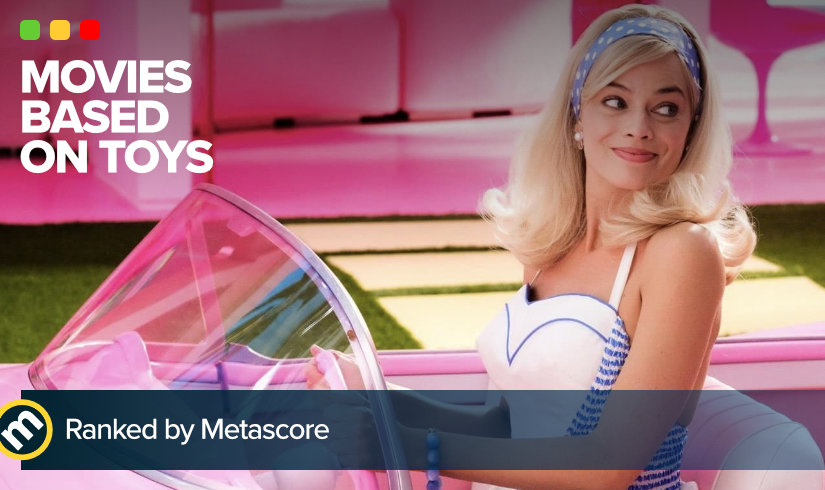
Greta Gerwig's new Barbie film may be getting all of the attention this month, but it's far from the first film to attempt to bring a children's toy line to the big screen. While some of those adaptations have been dismissed as nothing more than feature-length toy commercials, others have been successful in spite of their origins. In the gallery on this page, we rank over three dozen such films from worst to best according to their Metascores, which represent the consensus views of leading professional film critics.
All of the films are based on pre-existing toys—including tabletop games and trading cards—though we have omitted any films for franchises that were already well established as television shows (or comics) prior to becoming toys. In addition, we have also excluded any films with fewer than four reviews from critics (our minimum required for calculating a Metascore)—a group that mainly includes direct-to-video features (including, by the way, most of the previous Barbie movies).
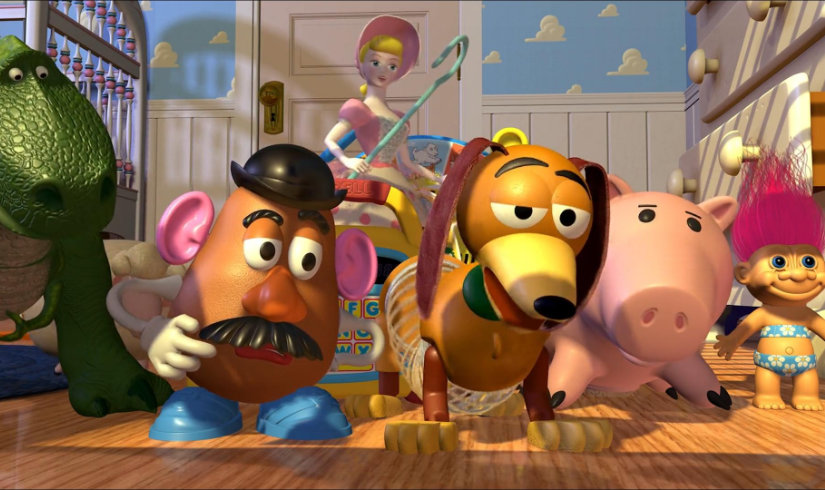
The very first feature created by the then-Steve Jobs-owned Pixar Animation Studios is still the studio's best-reviewed title to date (though technically its score ties it with 2007's Ratatouille). The groundbreaking, film—which, as the first fully CGI-animated movie to open in theaters, paved the way for pretty much every animated feature over the past three decades—follows the adventures of a group of children's toys who come to life whenever humans are absent, and it has its origins in an Oscar-winning toy-based short film ("Tin Toy") also written and directed by Pixar head John Lasseter. Toy Story's surprising critical and commercial success—its then-stellar $363 million made it the #2 film of 1995—enabled Pixar to make additional films and turn into the legendary animation house that it quickly became.
“Although its computer-generated imagery is impressive, the major surprise of this bright foray into a new kind of animation is how much cleverness has been invested in story and dialogue.” —Kenneth Turan, Los Angeles Times
| Stream On |

|
| Stream On |

|
| Buy on |

|
| Stream On |

|
| Stream On |

|
| Stream On |

|