Movies Based on Toys and Games, Ranked Worst to Best
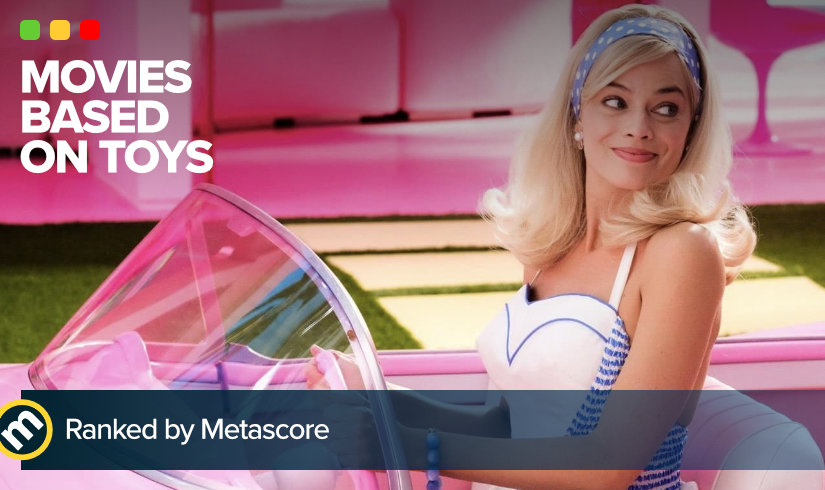
Greta Gerwig's new Barbie film may be getting all of the attention this month, but it's far from the first film to attempt to bring a children's toy line to the big screen. While some of those adaptations have been dismissed as nothing more than feature-length toy commercials, others have been successful in spite of their origins. In the gallery on this page, we rank over three dozen such films from worst to best according to their Metascores, which represent the consensus views of leading professional film critics.
All of the films are based on pre-existing toys—including tabletop games and trading cards—though we have omitted any films for franchises that were already well established as television shows (or comics) prior to becoming toys. In addition, we have also excluded any films with fewer than four reviews from critics (our minimum required for calculating a Metascore)—a group that mainly includes direct-to-video features (including, by the way, most of the previous Barbie movies).
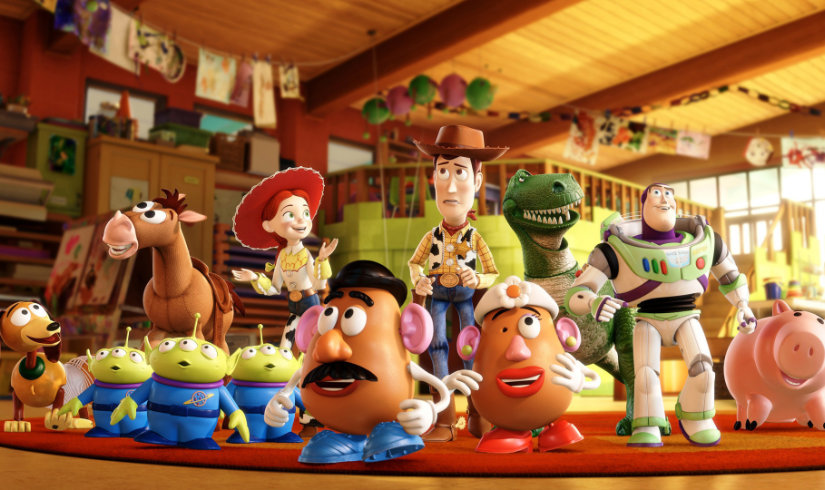
It took 11 years for the now Disney-owned Pixar to release a sequel to Toy Story 2, but what a sequel it was. Toy Story 3 is not just one of the best animated films in history but one of the very best films released in 2010 in any genre. Critics noted its appeal for adults as well as children and called it the most emotional and moving installment in the series. And audiences seemed to love it, too, making Toy Story 3 the first Pixar film to surpass $1 billion at the box office and the highest-grossing animated film of all time (a record since taken away by several newer films). To this day, it remains the most recent film to receive an Academy Award nomination for Best Picture.
And before Barbie and Ken showed up as characters in the new Barbie movie, they actually appeared here (voiced by Jodi Benson and Michael Keaton) as two of the new additions to Toy Story's sprawling roster of toys.
“The film never lets banter, visual gags, or the usual manic kid-flick running about interfere with its more delicately handled thoughts on loyalty, longing, broken relationships, and generational continuity. It honestly earns its emotion, moment by painstakingly executed moment.” —Tasha Robinson, A.V. Club
| Stream On |

|
| Stream On |

|
| Buy on |

|
| Stream On |

|
| Stream On |

|
| Stream On |

|