Movies Based on Toys and Games, Ranked Worst to Best
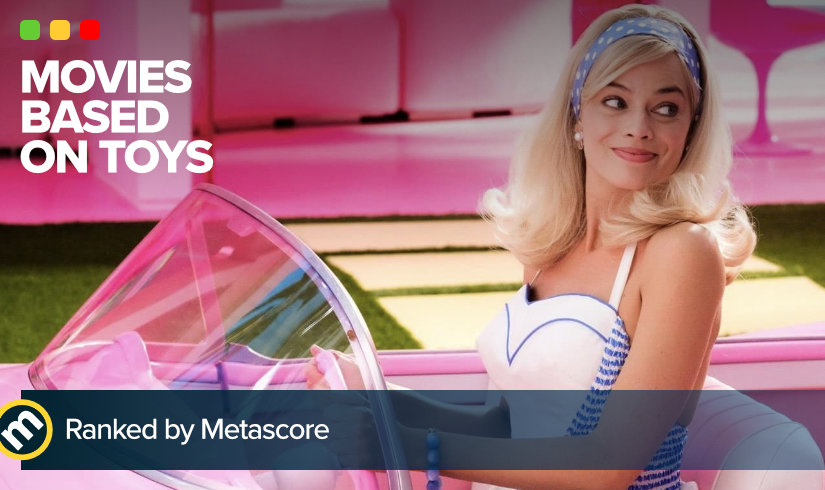
Greta Gerwig's new Barbie film may be getting all of the attention this month, but it's far from the first film to attempt to bring a children's toy line to the big screen. While some of those adaptations have been dismissed as nothing more than feature-length toy commercials, others have been successful in spite of their origins. In the gallery on this page, we rank over three dozen such films from worst to best according to their Metascores, which represent the consensus views of leading professional film critics.
All of the films are based on pre-existing toys—including tabletop games and trading cards—though we have omitted any films for franchises that were already well established as television shows (or comics) prior to becoming toys. In addition, we have also excluded any films with fewer than four reviews from critics (our minimum required for calculating a Metascore)—a group that mainly includes direct-to-video features (including, by the way, most of the previous Barbie movies).
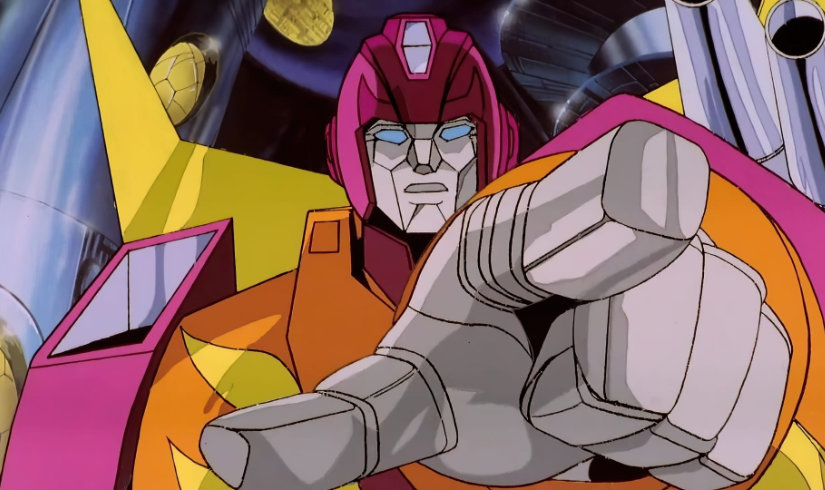
Decades before the Transformers toys turned into a box office juggernaut, Hasbro attempted to adapt them into an animated movie. The results? Not so lucrative. Assembling one of the most eclectic casts ever to voice an animated film—think Judd Nelson, Eric Idle, Casey Kasem (who manages to avoid swearing), Robert Stack, Leonard Nimoy, fast-talking FedEx pitchman John Moschitta Jr., and in his penultimate film as an actor, Orson Welles—1986's The Transformers: The Movie picks up the action two decades after the events of the popular Transformers syndicated cartoon series upon which the film is based. But it manages to quickly alienate its fanbase—and potentially terrify its young audience—by killing off many of its major characters (even Optimus Prime!) in violent fashion so that Hasbro could relaunch its toy line with new designs. That misjudgment along with poor reviews made The Movie a money loser at the box office, though the film has taken on the label of "cult classic" in recent years.
“This is yet another example of the Big Studio pushing out a film for the sole reason that they own the intellectual property and believe that we, like sheep, will see it because… well, we’ll see anything because we’re desperate for content.” —Alan Ng, Film Threat