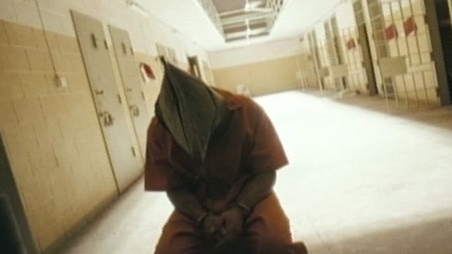
Summary:Is it possible for a photograph to change the world? Photographs taken by soldiers in Abu Ghraib prison changed the war in Iraq and changed America's image of itself. Yet, a central mystery remains. Did the notorious Abu Ghraib photographs constitute evidence of systematic abuse by the American military, or were they documenting theIs it possible for a photograph to change the world? Photographs taken by soldiers in Abu Ghraib prison changed the war in Iraq and changed America's image of itself. Yet, a central mystery remains. Did the notorious Abu Ghraib photographs constitute evidence of systematic abuse by the American military, or were they documenting the aberrant behavior of a few "bad apples"? We set out to examine the context of these photographs. Why were they taken? What was happening outside the frame? We talked directly to the soldiers who took the photographs and who were in the photographs. Who are these people? What were they thinking? Over two years of investigation, we amassed a million and a half words of interview transcript, thousands of pages of unredacted reports, and hundreds of photographs. The story of Abu Ghraib is still shrouded in moral ambiguity, but it is clear what happened there. The Abu Ghraib photographs serve as both an expose and a coverup. An expose, because the photographs offer us a glimpse of the horror of Abu Ghraib; and a coverup because they convinced journalists and readers they had seen everything, that there was no need to look further. In recent news reports, we have learned about the destruction of the Abu Zubaydah interrogation tapes. A coverup. It has been front page news. But the coverup at Abu Ghraib involved thousands of prisoners and hundreds of soldiers. We are still learning about the extent of it. Many journalists have asked about "the smoking gun" of Abu Ghraib. It is the wrong question. As Philip Gourevitch has commented, Abu Ghraib is the smoking gun. The underlying question that we still have not resolved, four years after the scandal: how could American values become so compromised that Abu Ghraib-and the subsequent coverup-could happen? (Sony Picture Classics)
…Expand
This film makes it apparent that not all movies are made to entertain. This mind-boggling and grotesque account of the military photographs at Abu Ghraib narrates, without bias, the frailty of ethics and morals in the midst of war. It presents the context of the photographs without This film makes it apparent that not all movies are made to entertain. This mind-boggling and grotesque account of the military photographs at Abu Ghraib narrates, without bias, the frailty of ethics and morals in the midst of war. It presents the context of the photographs without demonizing the military involved, or even the inmates, and simply reveals the events that took place and how the pictures came to be. The distinct Morrisian style is eloquent and yet simple in showing the interviewees eyes as they make discoveries about the incident as they are being asked. This film is one of the most disturbing that I've seen in my entire life, yet it makes me think days after i've seen it. The end will seem rather disappointing and somewhat lacking conclusion, as it simply tells the truth; most instances photographed were "standard operating procedure" and one of the soldiers involved was not allowed to be interviewed for the film. During the credits, however, it gives a website to investigate further. This is a must see if anyone wants to see a breathtaking Iraq War film that is exceptionally unbiased and profound.…Expand
0 of 0 users found this helpful
9
DellaA.
Jun 13, 2008
It invoked in me a compassion that I didn't realize I could have for these kids. I already KNEW they were scapegoats, but this put everything in a whole different light.