Every Wes Anderson Movie Ranked Worst to Best

Comic Sans, naturalistic acting, and Dutch angles? Sorry: You've come to the wrong gallery. Few directors have as precise and instantly identifiable a visual and storytelling style as Wes Anderson, the Texas-born director who emerged from the 1990s indie scene to eventual stardom and the ability to attract seemingly every living A-list actor—even as he never left the arthouse behind. A pair of 2023 releases (including The Wonderful Story of Henry Sugar, already filmed and due for a Netflix release late this year) will bring Anderson's film count to a full dozen, and those features have collected plenty of excellent reviews (and 15 Oscar nominations) along the way.
But which Wes Anderson films are truly exceptional, and which are "merely" good? In the gallery on this page we rank every one of the director's films to date from worst to best. The films are ranked by their Metascores, which encapsulate the opinions of top professional film critics at the time of each film's release.
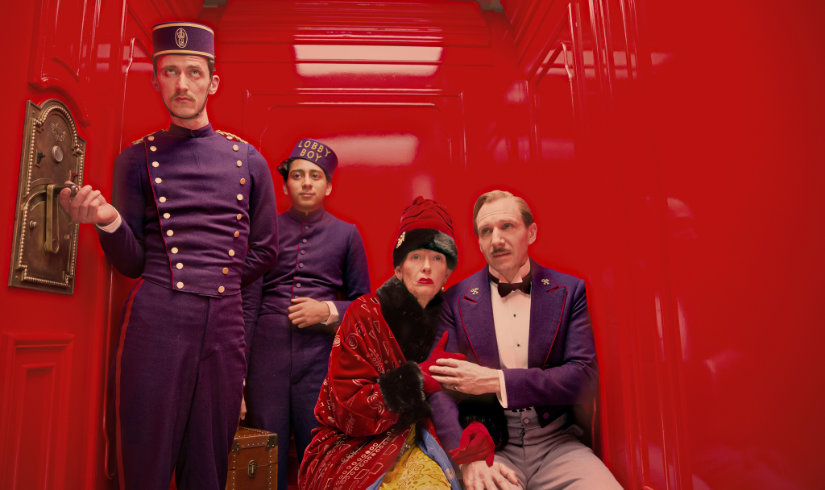
Anderson's best-reviewed film to date is also the only one of his films to receive a Best Picture nomination. In fact, the 2014 dramedy received nine Oscar nominations in all—including Anderson's only career Best Director nomination—and it won four of those, all in technical categories. Also the director's highest-grossing film to date (with over $100 million more than the next-closest title), The Grand Budapest Hotel is set during various points in the 20th century in a fictional Eastern European country and features one of Anderson's biggest ensemble casts to date. Ralph Fiennes has the meatiest role in a roster that also includes Adrien Brody, Tilda Swinton, Owen Wilson, Bill Murray, Jude Law, Edward Norton, Saoirse Ronan, Jason Schwartzman, Tony Revolori (then a teenager in his first big role) and Jeff Goldblum, among others.
“The Grand Budapest Hotel, Mr. Anderson’s eighth feature, will delight his fans, but even those inclined to grumble that it’s just more of the same patented whimsy might want to look again. As a sometime grumbler and longtime fan, I found myself not only charmed and touched but also moved to a new level of respect.” —A.O. Scott, The New York Times
| Stream On |

|
| Stream On |

|
| Buy on |

|
| Stream On |

|
| Stream On |

|
| Stream On |

|
| Stream On |

|